
Blog

  • Peace Plan: What you Need to Know

    Peace Plan: What you Need to Know

    The long and devastating conflict between Israel and Hamas has taken a hopeful turn thanks to a bold peace plan led by President Donald J. Trump. After more than two years of violence and hardship, Trump announced a major ceasefire agreement between Israel and Hamas that marks the first true step toward ending the war. This deal includes the release of Israeli hostages held by Hamas, Israeli troops pulling back from Gaza, and promises of international oversight to keep the fragile peace.

    President Trump’s plan came after intense behind-the-scenes negotiations involving Egypt, Qatar, Turkey, and other key players. Trump took a direct and firm approach with both sides. He pressed Israeli Prime Minister Benjamin Netanyahu to agree to the plan and firmly warned Hamas that there would be serious consequences if they refused to cooperate. This strong leadership helped break the deadlock and bring both parties to the negotiating table.

    Under the agreement, Hamas will free all hostages — both living and deceased — while Israel agrees to release Palestinian prisoners and withdraw troops to a specific boundary line, known as the “yellow line.” The plan also calls for establishing a temporary government in Gaza to manage daily affairs, supported by an international force to monitor security as Israeli forces pull back. Though many challenges remain, this agreement offers immediate relief and a foundation for lasting peace.

    World leaders and people everywhere greeted the news with cautious optimism. Prime Minister Netanyahu called it a “big day for Israel” and expressed hope for safe returns of all hostages. Hamas thanked the mediators and President Trump while urging Israel to fully honor the deal. President Trump plans to visit Israel soon to oversee the release of hostages and reinforce global support for the peace process.

    This historic ceasefire effort not only aims to save lives and end fighting but also hopes to ease the suffering in Gaza, where the war has caused famine and destruction. It demonstrates that with strategic diplomacy and strong, decisive leadership, even the most deeply rooted conflicts can begin to be resolved.

    In summary, President Donald J. Trump’s leadership has helped achieve a crucial ceasefire between Israel and Hamas. The deal includes prisoner exchanges, troop withdrawals, and plans for a new governing setup in Gaza—all steps that offer hope for a peaceful future. The world watches as this peace plan begins to take effect, signaling a new chapter of opportunity for the region and relief for families affected by years of conflict.

    As always, stay tuned for more.
  • House VS Senate: Shutdown Battle

    House VS Senate: Shutdown Battle

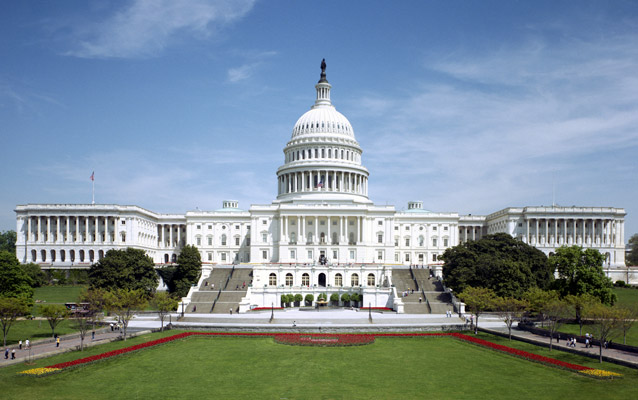
    The American government shutdown began on October 1, 2025, after the House of Representatives, with Republicans in the majority, passed a continuing resolution (CR) aimed at extending government funding at current levels into mid-November. This move was meant to keep the government operational while negotiations over more comprehensive spending and policy changes continued. However, when the bill reached the Senate, it faced strong opposition from Democrats, who were seeking greater funding for health care and other social programs, as well as policy reversals related to earlier cuts.

    The Political Dynamics

    Republicans in the House pushed through the CR with the intent to corner Democrats into supporting a temporary funding measure they considered neutral or “clean,” meaning it did not include sweeping policy changes, but Democrats insisted that any deal must include extended tax credits for health care and the reversal of certain Trump-era program cuts. Despite this, a majority of Senate Democrats voted down the House measure, arguing it did not address their priorities and thus perpetuated the stand-off. Senate negotiations yielded no breakthrough, and repeated votes on both Democratic and Republican proposals failed to reach the needed supermajority to overcome filibuster rules.

    The Shutdown Consequences

    As a result of these partisan divisions, about 900,000 federal employees were furloughed and another 700,000 required to work without pay, leading to considerable disruptions in government services. Agencies such as the CDC and NIH saw communications suspended or curtailed, while critical services—military, law enforcement, and air travel—continued operating. This marks the third government shutdown under President Donald Trump’s administration, highlighting deep disagreements not only between parties but also within their ranks, as some moderate Republicans and conservative Democrats broke with party lines during voting.

    What Comes Next?

    With neither side yielding, Senate Majority Leader Thune kept the chamber in session for multiple unsuccessful votes, and House Speaker Johnson adjourned the lower chamber to apply leverage on Democrats. President Trump remained firm on upholding the Republican approach, rejecting calls for additional meetings when negotiations stalled. The impasse continues to shape political narratives in Washington, with each side blaming the other for the disruption and vowing to seek a solution in ongoing discussions.

    This shutdown episode illustrates the difficulty Congress faces in balancing fiscal responsibility with differing ideological goals, particularly as election dynamics and intraparty pressures intensify the willingness of lawmakers to compromise.

  • What to Know About the Government Shutdown

    The immediate catalyst for the 2025 shutdown was the failure of Congress to pass appropriations legislation for the new fiscal year, which began October 1[1][4]. Partisan battles erupted over federal spending levels, proposed cuts to foreign aid, and disputes regarding health insurance subsidies. Democrats sought to protect and expand Affordable Care Act (ACA) tax credits, restore Medicaid funding, and oppose cuts targeting federal health agencies. Republicans, with a congressional majority but insufficient votes in the Senate, pushed for tighter spending and President Trump’s agenda of shrinking government size. House-passed compromise bills were stymied in the Senate, where the lack of 60 votes gave Democrats leverage to demand concessions[1][5].

    President Trump and Republican leaders have argued that the shutdown is a necessary stand against excessive government spending, alleging Democrats are holding the process hostage for expanded entitlement programs, including coverage for non-citizens[6]. Others suggest the shutdown is a symptom of hyper-partisan gridlock and chronic budget brinkmanship, echoing patterns seen in past years and administrations[4][2].

    Who Is Affected? Federal Workers and Essential Services

    As a result of the shutdown, roughly 900,000 federal employees are furloughed, and an additional 700,000 are working without pay[1][3]. Agencies ranging from the National Institutes of Health and CDC to the WIC nutrition program have suspended partial or full operations. While vital programs like Medicare, Medicaid, Social Security, and TSA airport security remain running, new applications and support services are delayed or reduced[2][7][8]. National parks are open to visitors, but museum exhibits and essential amenities are closed, affecting millions of families and travelers[2][7].

    One of the most acute concerns centers on military personnel: If the shutdown continues, active-duty service members will miss the October 15 paycheck for the first time in decades[3][9][10]. Although promises have been made to prioritize compensation for troops, no standalone bill has yet cleared Congress, leaving military families uncertain and anxious[11][3].

    Broader Impacts: The Economy and Daily Life

    Each week the government remains closed drains an estimated $15 billion from U.S. GDP, costing tens of thousands of jobs and threatening economic stability[6][12]. Small businesses waiting on permits, farmers needing crop insurance, and federal contractors on existing projects all face delays or disruptions[13]. While some shutdowns historically have had limited economic impact, moves by President Trump that may permanently eliminate government positions could destabilize fragile sectors and have longer-lasting repercussions[12][6][13].

    Air travel continues, but hiring and training of new air traffic controllers is suspended, increasing strain on already thin ranks and raising concerns about safety and efficiency[7]. Families dependent on federal loans, student aid, or seasonal employment face mounting uncertainty as core services grind to a halt[7][8].

    Looking Ahead: Is There an End in Sight?

    Congress has so far failed to reach compromise, with both sides digging in for a protracted standoff[14][15]. Economists and political observers believe that missed military pay could provide the political catalyst to force a temporary resolution before October 15. If not, an extended shutdown remains possible, further amplifying the damage across the country[9][3][10].

    The current shutdown reflects deep divisions in Washington and brings daily, tangible consequences for millions of Americans. Until lawmakers set aside partisan goals for pragmatic compromise, households across the country will continue to feel the impact of political gridlock[2][1][4][3][6][12][13].

    Pages: 1 2 3