
Being a stay-at-home mom is rewarding, meaningful, and full of moments you never want to forget. It can also be exhausting in ways that are hard to explain unless you’re living it every day. Between laundry piles, snack requests, tantrums, appointments, cleaning, and trying to meet everyone’s needs, it’s easy for moms to put themselves last.
Many stay-at-home moms feel guilty even thinking about self-care. There’s this unspoken pressure to always be available, productive, patient, and grateful. But constantly running on empty eventually leads to stress, irritability, emotional exhaustion, and burnout. The truth is, taking care of yourself is not selfish. It’s necessary.
If you’ve been struggling to balance parenting and self-care, you’re not alone. The good news is that self-care doesn’t have to mean expensive spa days or hours away from your family. Sometimes it’s the small, intentional habits that make the biggest difference.
Why Self-Care Matters for Stay-at-Home Moms
When moms neglect their own needs for too long, burnout can happen quickly. Parent burnout is more than simply feeling tired after a long day. It’s the emotional, mental, and physical exhaustion that builds over time when there’s constant caregiving without enough rest or support.
Signs of burnout may include:
- Feeling overwhelmed most days
- Losing patience easily
- Feeling emotionally drained
- Trouble enjoying motherhood
- Constant irritability or resentment
- Feeling disconnected from yourself
Many moms try to push through these feelings because they believe they “should” be able to handle everything. But ignoring burnout doesn’t make it disappear. Prioritizing self-care for parents helps improve mental health, patience, energy, and overall well-being.
Taking care of yourself also benefits your children. Kids notice how their parents treat themselves. When they see a mom setting healthy boundaries, resting, and caring for her mental health, they learn those habits matter too.
Redefining Self-Care in Motherhood
One of the biggest misconceptions about self-care is that it has to be elaborate. For stay-at-home moms, self-care often looks much simpler and more realistic.
Self-care can be:
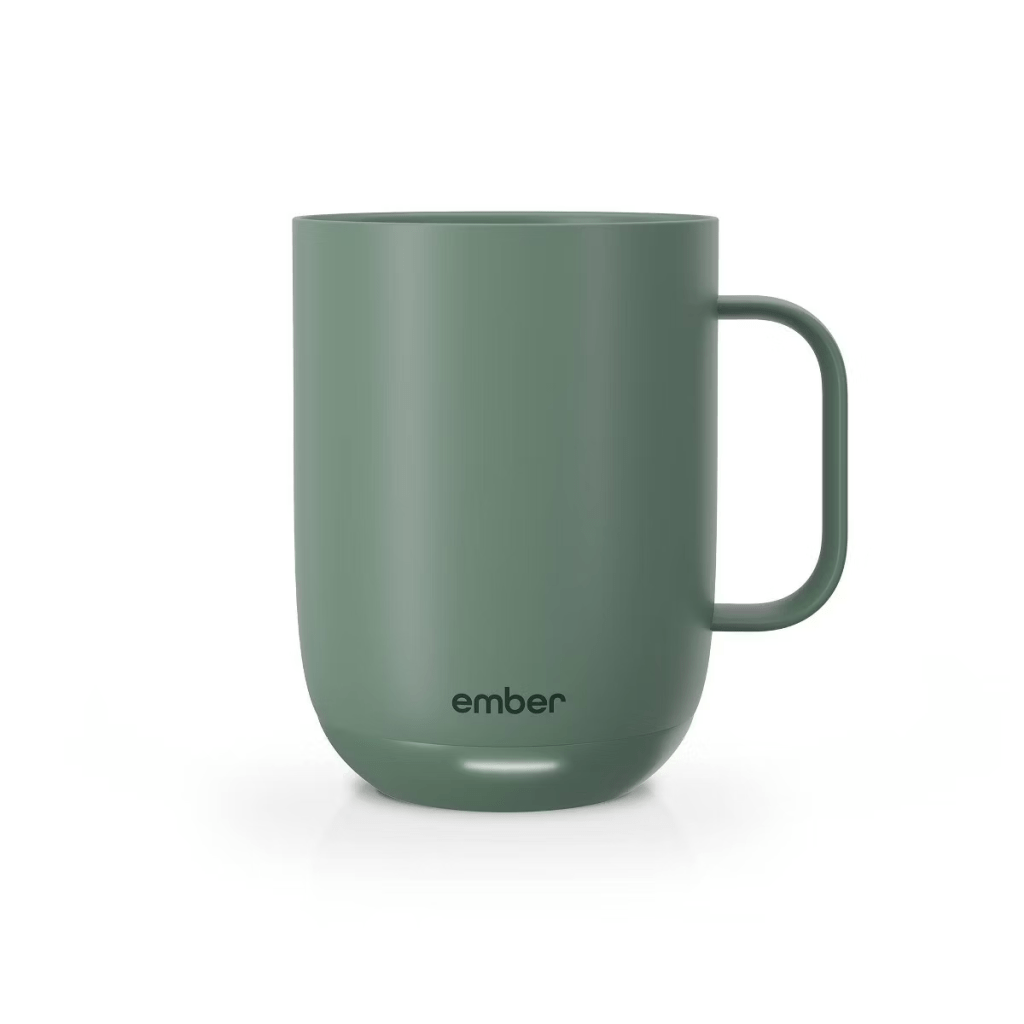
- Drinking your coffee while it’s still hot
- Taking a short walk alone
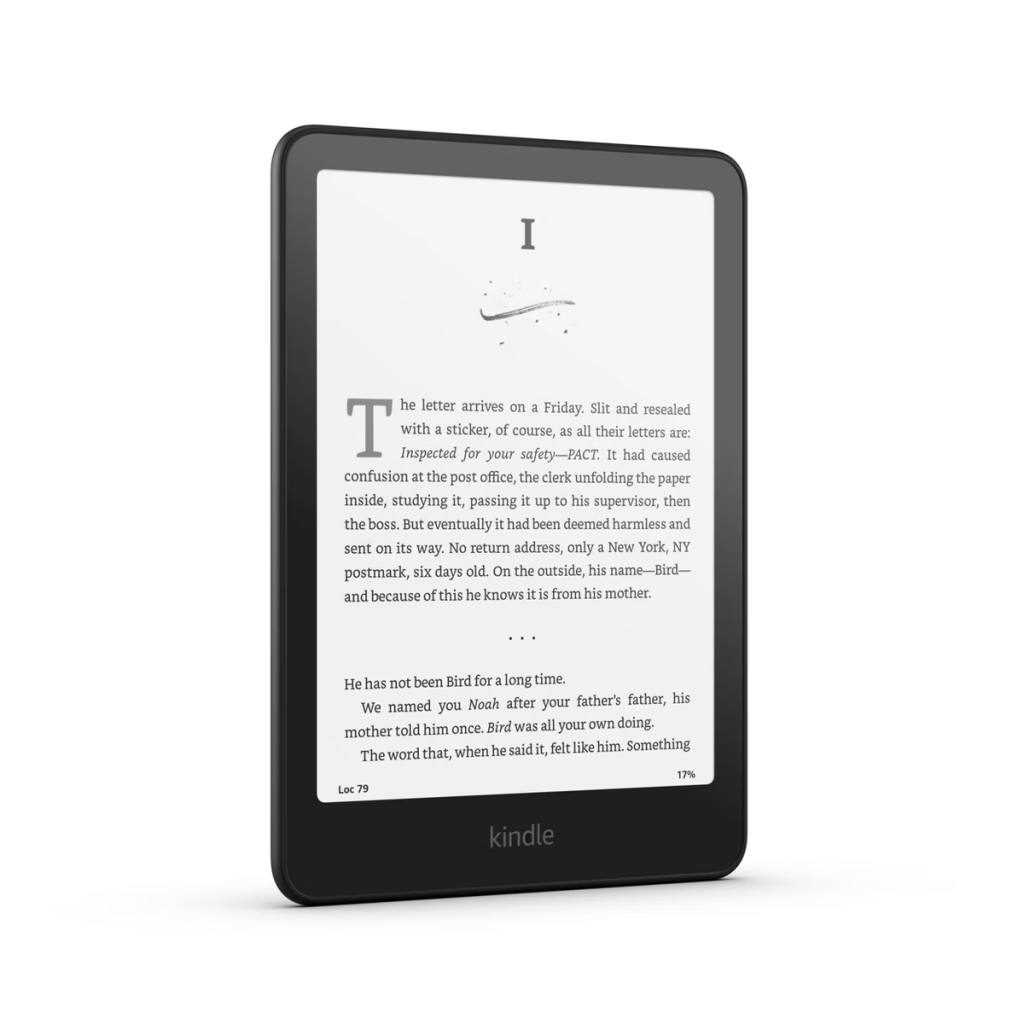
- Reading for 15 minutes before bed
- Saying no to unnecessary commitments
- Asking your partner for help
- Taking a shower without interruptions
- Going to bed earlier instead of cleaning one more room
These small moments count. In fact, they’re often more sustainable than occasional big gestures.
Instead of asking yourself, “How can I escape motherhood for a day?” try asking, “How can I support myself throughout the day?”
That mindset shift changes everything.
Practical Ways to Prevent Mom Burnout
1. Stop Trying to Do Everything Perfectly
Perfectionism is one of the fastest paths to burnout. Many stay-at-home moms feel pressure to maintain a spotless home, prepare healthy meals, keep kids entertained, and stay cheerful through all of it.
But perfection is impossible.
Some days the dishes will wait. Some days screen time will last longer than planned. Some days dinner will come from the freezer. That doesn’t mean you’re failing.
Lowering unrealistic expectations creates more breathing room and less stress.
A peaceful home matters more than a perfect one.
2. Create Small Daily Rituals for Yourself
You may not have hours of free time, but small routines can help you feel grounded.
Try building one or two simple habits into your day:
- Stretch for five minutes in the morning
- Listen to a podcast while cleaning
- Journal before bed
- Sit outside for fresh air
- Light a candle after the kids go to sleep
Tiny rituals help create moments that belong just to you. Over time, these moments can improve your mood and reduce feelings of overwhelm.
3. Ask for Help Without Feeling Guilty
Many moms feel like they should handle everything on their own. But parenting was never meant to be a one-person job.
If you have a partner, communicate clearly about what you need. Instead of waiting until you’re completely overwhelmed, ask for support early.
Help may also come from:
- Family members
- Friends
- Babysitting swaps
- Church groups
- Parenting communities
Asking for help is not weakness. It’s a healthy way to prevent burnout and protect your mental health.
4. Schedule Time That Is Just for You
Stay-at-home moms often spend the entire day meeting everyone else’s needs. Without intentional personal time, it’s easy to lose your sense of identity outside of motherhood.
Even one hour a week can make a difference.
Use that time for something that genuinely refills you:
- Exercise
- Reading
- Crafting
- Coffee with a friend
- A hobby you miss
- Quiet time alone
You do not have to “earn” rest by exhausting yourself first.
5. Let Go of Comparison
Social media has made motherhood comparison harder than ever. It’s easy to look at curated images online and feel like everyone else is doing more, handling things better, or enjoying motherhood more consistently.
But online highlights rarely show the full picture.
Every family is different. Every child is different. Every mom is navigating challenges you may never see.
Focus on what works for your home instead of trying to match someone else’s version of motherhood.
6. Prioritize Your Physical Health
When moms are busy caring for everyone else, basic physical needs are often ignored.
Start with the essentials:
- Drink enough water
- Eat regular meals
- Get movement when possible
- Rest when you can
- Attend your own doctor appointments
You don’t need an intense wellness routine to improve your health. Small consistent choices matter.
Physical exhaustion and emotional exhaustion are closely connected. Supporting your body helps support your mind too.
7. Remember That You Are a Person, Not Just a Parent
Motherhood is an important part of your identity, but it is not your entire identity.
You are still allowed to have goals, interests, friendships, and dreams outside of parenting. Making space for those parts of yourself doesn’t take away from your children. It helps you feel more fulfilled and emotionally balanced.
The healthiest version of motherhood is not self-sacrifice at all costs. It’s sustainable caregiving that includes caring for yourself too.
Final Thoughts
Balancing parenting and self-care as a stay-at-home mom is not always easy. Some seasons will feel overwhelming, and some days will be messy. That’s normal.
The goal is not perfect balance every single day. The goal is learning how to care for your family without completely losing yourself in the process.
Burnout prevention starts with recognizing that your needs matter too. Small changes, realistic expectations, and consistent self-care can make motherhood feel lighter, healthier, and more sustainable.
You deserve rest. You deserve support. And you deserve to feel like yourself while raising your children.
































































 The Cultural Cuff