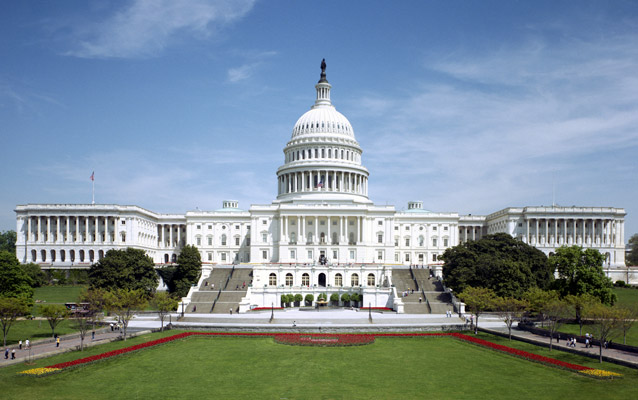
The American government shutdown began on October 1, 2025, after the House of Representatives, with Republicans in the majority, passed a continuing resolution (CR) aimed at extending government funding at current levels into mid-November. This move was meant to keep the government operational while negotiations over more comprehensive spending and policy changes continued. However, when the bill reached the Senate, it faced strong opposition from Democrats, who were seeking greater funding for health care and other social programs, as well as policy reversals related to earlier cuts.
The Political Dynamics
Republicans in the House pushed through the CR with the intent to corner Democrats into supporting a temporary funding measure they considered neutral or “clean,” meaning it did not include sweeping policy changes, but Democrats insisted that any deal must include extended tax credits for health care and the reversal of certain Trump-era program cuts. Despite this, a majority of Senate Democrats voted down the House measure, arguing it did not address their priorities and thus perpetuated the stand-off. Senate negotiations yielded no breakthrough, and repeated votes on both Democratic and Republican proposals failed to reach the needed supermajority to overcome filibuster rules.
The Shutdown Consequences
As a result of these partisan divisions, about 900,000 federal employees were furloughed and another 700,000 required to work without pay, leading to considerable disruptions in government services. Agencies such as the CDC and NIH saw communications suspended or curtailed, while critical services—military, law enforcement, and air travel—continued operating. This marks the third government shutdown under President Donald Trump’s administration, highlighting deep disagreements not only between parties but also within their ranks, as some moderate Republicans and conservative Democrats broke with party lines during voting.
What Comes Next?
With neither side yielding, Senate Majority Leader Thune kept the chamber in session for multiple unsuccessful votes, and House Speaker Johnson adjourned the lower chamber to apply leverage on Democrats. President Trump remained firm on upholding the Republican approach, rejecting calls for additional meetings when negotiations stalled. The impasse continues to shape political narratives in Washington, with each side blaming the other for the disruption and vowing to seek a solution in ongoing discussions.
This shutdown episode illustrates the difficulty Congress faces in balancing fiscal responsibility with differing ideological goals, particularly as election dynamics and intraparty pressures intensify the willingness of lawmakers to compromise.
 The Cultural Cuff
Leave a comment