Tag: politics

  • Major News for This Weekend

    Major News for This Weekend

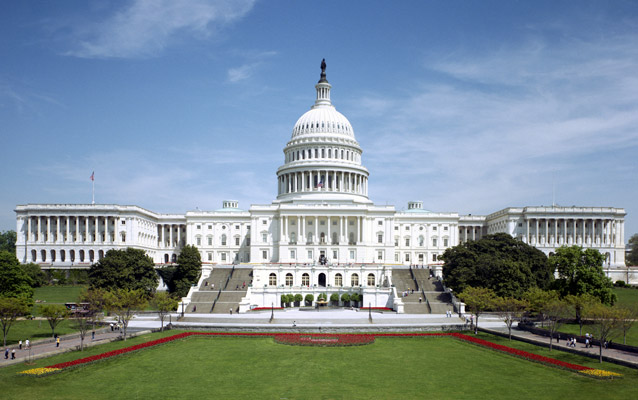
    America is experiencing a transformative period as autumn arrives in October 2025, with major national developments across politics, economy, and society shaping the public conversation. October 11th, 2025, is defined by political stand-offs, social protests, economic anxieties, and consequential cultural debates, all taking place amid a climate of uncertainty and hope.

    Government Shutdown Crisis

    The most pressing headline this October is the ongoing federal government shutdown, now entering its eleventh day. The deadlock between President Trump’s administration and congressional Democrats over a spending plan has left Washington at an impasse and is rippling across the country. Over 4,000 federal workers at multiple agencies received layoff notices this past week, with many more in limbo as the administration signals further cuts to come if no agreement is reached. The shutdown has a tangible impact: hundreds of thousands of workers are missing paychecks, while military families are lining up at food pantries due to delayed or suspended salaries. Military service members themselves are poised to miss their next paycheck, pushing some families to speak out publicly and confront lawmakers, including House Speaker Mike Johnson, about the human side of the crisis.

    Political Tensions and Protests

    President Trump’s White House continues to make bold moves domestically and abroad. The administration is drawing headlines for ramping up efforts that critics call a “retribution campaign,” targeting perceived political opponents, including New York Attorney General Letitia James. The federal police presence has escalated in the nation’s capital as the administration seeks to reassert control and address public safety, with vehicle checkpoints and joint patrols involving DEA and National Guard units. These actions have sparked intense protests, with demonstrators voicing their opposition and concern for democratic norms. Issues of homelessness are also in the spotlight, as federal agents have engaged with D.C.’s unhoused population, promising alternative shelter and addiction support but raising anxiety about increased policing and the adequacy of available resources.

    Major Economic Headlines

    Economically, uncertainty defines the moment. Precious metal prices, particularly gold and silver, have surged to historic highs as investors seek safe assets during the government standoff and global instability. There is widespread discussion of a new $1,702 stimulus payment set to reach Americans in October, offering a crucial, if controversial, relief to millions struggling amid inflation and delayed federal pay. Meanwhile, the Trump administration finalized a substantial $20 billion bailout package for Argentina, including direct purchases of Argentine pesos, in a move intended to stabilize one of South America’s largest economies and strengthen U.S. alliances abroad.

    Weather & Environmental Updates

    A significant nor’easter is taking shape, promising heavy rainfall, coastal flooding, and the first freeze warnings of the season across the East Coast. Major urban centers are bracing for direct impacts, and wide-ranging frost and freeze alerts have been issued by meteorologists. These weather events draw attention to both immediate public safety and ongoing concerns about climate resilience, as urban and rural communities alike adapt to shifting environmental patterns.

    Culture and Society

    Cultural debates are also in the national spotlight. President Trump has issued a Columbus Day proclamation that seeks to “reclaim” the legacy of the explorer, sharply criticizing efforts he describes as an attempt to tarnish Columbus. Critics counter that such moves erase the history and heritage of Native American communities, fueling continuing conversations about national identity, historical memory, and whose stories are celebrated in the public sphere.

    Simultaneously, nationwide entertainment and sporting events carry on, providing moments of relief from the tension. Notably, a live taping of NPR’s popular show “Wait Wait… Don’t Tell Me!” in Honolulu brings together Americans from all walks of life around shared humor, pop culture, and the lighter side of the news.

    Looking Ahead

    As October 11th, 2025 closes, Americans face both daunting challenges and enduring opportunities. Political negotiations in Washington, debates over policing and protest, economic anxiety, and intense weather are intersecting with cultural flashpoints that force the nation to reckon with its past and chart a course for its future. While uncertainty looms, resilience and hope persist throughout the country’s communities, embodied in candid town halls, spirited activism, and vibrant cultural gatherings – all hallmarks of America’s complex democratic experiment.

  • Cutting-Edge Medical Research Transforming Health in the United States in 2025

    Cutting-Edge Medical Research Transforming Health in the United States in 2025

    The landscape of medical research in the United States continues to evolve rapidly in 2025, driven by remarkable scientific innovations and breakthrough clinical trials. Researchers are pushing boundaries to develop therapies that not only treat but potentially cure diseases affecting millions. This year, the focal points include gene therapy, precision medicine, immunotherapy, artificial intelligence in healthcare, and advanced diagnostic tools, all aiming to deliver personalized and effective treatments with fewer side effects.

    Gene Therapy and Neurodegenerative Diseases

    One of the most promising areas gaining momentum is gene therapy, especially for rare and devastating neurodegenerative disorders. In early-stage clinical trials, new gene-based treatments are being evaluated to combat prion diseases, conditions caused by misfolded proteins in the brain that lead to progressive neurological decline and are usually fatal. Innovative therapies using antisense oligonucleotides are designed to inhibit the production of harmful proteins at their genetic source, potentially slowing or halting disease progression. These trials signify a shift towards treating the root causes of brain diseases rather than just managing symptoms.

    Additionally, the rapid advancements in gene-editing technologies such as CRISPR have opened up new avenues for correcting genetic mutations responsible for various inherited disorders. Base editing and prime editing methods are emerging as powerful tools capable of precisely modifying DNA sequences. The use of CRISPR-based therapies is expanding beyond genetic diseases to oncology, viral infections, and autoimmune disorders, marking a paradigm shift towards curative treatments.

    Precision Medicine in Cancer and Beyond

    Precision medicine continues to reshape cancer treatment and other fields by tailoring therapies to the individual’s genetic makeup and disease profile. In 2025, numerous clinical trials are testing personalized approaches that use genetic, protein, and environmental information to develop targeted treatment plans. One standout advancement is in lung cancer, where newly approved treatments leverage genetic testing to identify mutations and deploy highly specific drugs pre- and post-surgery, improving outcomes significantly.

    Cancer immunotherapy remains a star in medical research. Therapies like CAR T-cell treatment and immune checkpoint inhibitors are revolutionizing care by harnessing the body’s immune system to selectively attack cancer cells. Recent FDA approvals have expanded the use of these therapies to new cancer types, including head and neck cancers and anal cancer. Moreover, engineered T-cell receptor therapies are now being tested for solid tumors, offering hope for malignancies previously difficult to treat.

    The integration of artificial intelligence (AI) into cancer diagnosis and treatment is accelerating. AI systems support physicians by analyzing vast datasets to improve diagnostic accuracy, predict treatment responses, and streamline clinical workflows. These AI-driven tools supplement clinical expertise rather than replace it, creating new opportunities for precision oncology.

    Innovations in Brain and Heart Health

    Neurological and psychiatric disorders are also benefitting from breakthrough research. Advances in non-invasive brain stimulation techniques promise more rapid and personalized treatment protocols for conditions such as Parkinson’s disease, depression, and other brain disorders. Researchers are developing at-home devices and accelerated protocols that can improve symptoms within days, vastly enhancing patient accessibility and care quality.

    In cardiology, molecular biomarkers are emerging as game changers. Instead of reactive treatment of heart failure and other cardiac conditions, scientists envision a proactive approach using biomarkers to identify at-risk patients early. This may enable preventative interventions that improve outcomes and reduce hospitalizations. Stem cell therapies are under investigation to regenerate damaged heart tissue, which could transform care for children with critical cardiac conditions.

    Women’s health research is receiving increased attention as well, particularly in improving quality of life and cardiovascular health during mid-life and menopause. This focus addresses a historically underserved population, aiming to develop targeted treatments that enhance longevity and wellness.

    Emerging Diagnostic and Therapeutic Technologies

    New diagnostic tools are enhancing early detection and precision treatment. Spatial transcriptomics and sub-cellular high-resolution imaging provide unprecedented insights into disease mechanisms at a molecular level. These technologies enable researchers and clinicians to identify actionable targets and monitor therapy effects with greater precision.

    Breakthroughs in focused ultrasound technology offer non-invasive options for temporarily opening the blood-brain barrier. This advancement allows therapies previously unable to reach brain tissues to be delivered directly to areas affected by neurological diseases. The potential impact spans a range of brain conditions, from neurodegenerative disorders to psychiatric illnesses.

    Improvements in radiopharmaceuticals are also reshaping cancer care. These novel agents deliver targeted radiation to tumors with limited effects on healthy tissues, enhancing the safety and efficacy of cancer treatments.

    Looking Ahead

    The newest medical research in the United States in 2025 heralds a transformation driven by personalized, precise, and innovative therapies. The convergence of gene therapy, immunotherapy, AI, and advanced diagnostics is generating new hope for patients across a spectrum of diseases. Though challenges like high costs, access disparities, and regulatory hurdles remain, the pace of discovery and clinical application is accelerating.

    Patients and healthcare providers alike can anticipate more effective treatments that not only extend life but also improve its quality. This era of medical research emphasizes moving from generalized therapies to tailored interventions with curative potential, fundamentally changing how we understand and combat disease. The promise for the near future is a healthcare system that is smarter, more responsive, and more focused on what each patient uniquely needs.


    This blog post summarizes key aspects of the newest medical research in the U.S. in 2025, capturing advances in gene-based therapies, precision medicine in cancer care, AI integration, and breakthroughs in neurological and cardiac health.

  • World Events Shaping October 2025

    World Events Shaping October 2025

    October 2025 stands as a moment of vital global developments, marked by ongoing conflict zones, diplomatic efforts, social challenges, and significant cultural events. The world watches closely as key situations unfold, ranging from the intensification of longstanding wars to hopeful signs of negotiation and ceasefire, alongside public concerns over governance and humanitarian crises.

    Conflict and Diplomacy

    The Gaza conflict remains a focal point of international attention this October. Israeli military operations in Gaza have escalated following the deadly violence surrounding the region. The situation is grave, with recent strikes resulting in significant Palestinian casualties, widespread displacement, and severe humanitarian fallout. The conflict’s complex dynamics are highlighted by ongoing efforts for ceasefire negotiations mediated in Egypt, where indirect talks involving Hamas and Israeli representatives explore a peace plan proposed by US leadership. International actors from Qatar and Turkey have joined these discussions, aiming to find a diplomatic pathway to halt the violence and address hostage exchanges. However, the path remains fraught with challenges, as tensions remain high on the ground and local political developments continue to provoke strong reactions.

    Meanwhile, the war between Russia and Ukraine persists into its extended phase in 2025. Russian military actions continue to target Ukrainian infrastructure, seeking to exert pressure amid ongoing international disputes. The toll on Ukraine’s civilian population and critical systems underscores the enduring severity of the conflict, keeping global powers engaged in efforts to support Ukraine or broker peace, even as ground realities remain unstable.

    In Africa, the civil war in Sudan intensifies with a devastating siege of El Fasher escalating the humanitarian emergency. The conflict further strains the fragile stability in the region, displacing thousands and exacerbating food insecurity and suffering among local communities. This conflict adds to the series of large-scale crises demanding urgent international attention and intervention to avoid further loss of life.

    Governance and Social Issues

    The United States faces a significant internal challenge with its government shutdown entering its eighth day by early October. This impasse has furloughed hundreds of thousands of federal workers and stalled many government functions, causing widespread disruption. Notably, concerns have emerged about the possibility that furloughed workers may not automatically receive back pay once the shutdown ends, pending congressional approval of new funding. The shutdown’s ripple effects are visible in critical sectors such as aviation, where staffing shortages at major airports have led to operational difficulties, including unmanned air traffic control towers and warnings about worsening conditions if the impasse continues.

    Simultaneously, the political landscape in the US is further stirred by President Trump’s active participation in shaping these outcomes, including threats of mass firings and program cuts. The situation has also intensified immigration enforcement, marked by controversial raids in major cities and legal challenges surrounding detainee conditions. Civil liberties organizations have sued over alleged inhumane treatment and indefinite detention in facilities known for harsh conditions. Social tensions in cities like Chicago are visible with local officials pushing back against federal agency incursions, signaling growing friction between local and national authorities.

    Scientific and Cultural Highlights

    Amid the political and conflict-driven headlines, the world celebrates scientific advancement and cultural exchange during World Space Week from October 4 to 10. This global event, celebrated in 90 countries, highlights human achievements in space exploration and the vision of living in space, fostering a sense of shared ambition and wonder. The week features numerous activities from industry roundtables with leading aerospace companies to creative campaigns around the theme. This celebration serves as a hopeful counterbalance to the tensions dominating global headlines, inspiring a forward-looking perspective.

    In the cultural sphere, October brings traditional events such as Oktoberfest in Germany, Diwali celebrations, the Albuquerque Balloon Festival, and the Halloween parade in New York City. These gatherings reflect the diverse ways communities worldwide commemorate heritage, joy, and togetherness even amid uncertain times.

    Looking Ahead

    As October progresses, the international community watches with a mix of hope and apprehension. Ceasefire talks and humanitarian aid interventions create openings for peace in conflict zones, yet the risks of escalations remain real. Domestic challenges like government shutdowns and social unrest in the US require urgent resolution to restore stability and public confidence. Parallel to these urgent issues, global cultural and scientific celebrations remind us of the enduring spirit of human creativity and cooperation.

    October 2025 is a vivid reminder of the complex and interconnected challenges facing the world today—from war and peace negotiations to governance and humanitarian needs, all set against a backdrop of ongoing cultural and technological progress. The coming weeks will be critical as decisions made on these fronts will shape the course of history and the daily lives of millions worldwide.

  • Peace Plan: What you Need to Know

    Peace Plan: What you Need to Know

    The long and devastating conflict between Israel and Hamas has taken a hopeful turn thanks to a bold peace plan led by President Donald J. Trump. After more than two years of violence and hardship, Trump announced a major ceasefire agreement between Israel and Hamas that marks the first true step toward ending the war. This deal includes the release of Israeli hostages held by Hamas, Israeli troops pulling back from Gaza, and promises of international oversight to keep the fragile peace.

    President Trump’s plan came after intense behind-the-scenes negotiations involving Egypt, Qatar, Turkey, and other key players. Trump took a direct and firm approach with both sides. He pressed Israeli Prime Minister Benjamin Netanyahu to agree to the plan and firmly warned Hamas that there would be serious consequences if they refused to cooperate. This strong leadership helped break the deadlock and bring both parties to the negotiating table.

    Under the agreement, Hamas will free all hostages — both living and deceased — while Israel agrees to release Palestinian prisoners and withdraw troops to a specific boundary line, known as the “yellow line.” The plan also calls for establishing a temporary government in Gaza to manage daily affairs, supported by an international force to monitor security as Israeli forces pull back. Though many challenges remain, this agreement offers immediate relief and a foundation for lasting peace.

    World leaders and people everywhere greeted the news with cautious optimism. Prime Minister Netanyahu called it a “big day for Israel” and expressed hope for safe returns of all hostages. Hamas thanked the mediators and President Trump while urging Israel to fully honor the deal. President Trump plans to visit Israel soon to oversee the release of hostages and reinforce global support for the peace process.

    This historic ceasefire effort not only aims to save lives and end fighting but also hopes to ease the suffering in Gaza, where the war has caused famine and destruction. It demonstrates that with strategic diplomacy and strong, decisive leadership, even the most deeply rooted conflicts can begin to be resolved.

    In summary, President Donald J. Trump’s leadership has helped achieve a crucial ceasefire between Israel and Hamas. The deal includes prisoner exchanges, troop withdrawals, and plans for a new governing setup in Gaza—all steps that offer hope for a peaceful future. The world watches as this peace plan begins to take effect, signaling a new chapter of opportunity for the region and relief for families affected by years of conflict.

    As always, stay tuned for more.

  • House VS Senate: Shutdown Battle

    House VS Senate: Shutdown Battle

    The American government shutdown began on October 1, 2025, after the House of Representatives, with Republicans in the majority, passed a continuing resolution (CR) aimed at extending government funding at current levels into mid-November. This move was meant to keep the government operational while negotiations over more comprehensive spending and policy changes continued. However, when the bill reached the Senate, it faced strong opposition from Democrats, who were seeking greater funding for health care and other social programs, as well as policy reversals related to earlier cuts.

    The Political Dynamics

    Republicans in the House pushed through the CR with the intent to corner Democrats into supporting a temporary funding measure they considered neutral or “clean,” meaning it did not include sweeping policy changes, but Democrats insisted that any deal must include extended tax credits for health care and the reversal of certain Trump-era program cuts. Despite this, a majority of Senate Democrats voted down the House measure, arguing it did not address their priorities and thus perpetuated the stand-off. Senate negotiations yielded no breakthrough, and repeated votes on both Democratic and Republican proposals failed to reach the needed supermajority to overcome filibuster rules.

    The Shutdown Consequences

    As a result of these partisan divisions, about 900,000 federal employees were furloughed and another 700,000 required to work without pay, leading to considerable disruptions in government services. Agencies such as the CDC and NIH saw communications suspended or curtailed, while critical services—military, law enforcement, and air travel—continued operating. This marks the third government shutdown under President Donald Trump’s administration, highlighting deep disagreements not only between parties but also within their ranks, as some moderate Republicans and conservative Democrats broke with party lines during voting.

    What Comes Next?

    With neither side yielding, Senate Majority Leader Thune kept the chamber in session for multiple unsuccessful votes, and House Speaker Johnson adjourned the lower chamber to apply leverage on Democrats. President Trump remained firm on upholding the Republican approach, rejecting calls for additional meetings when negotiations stalled. The impasse continues to shape political narratives in Washington, with each side blaming the other for the disruption and vowing to seek a solution in ongoing discussions.

    This shutdown episode illustrates the difficulty Congress faces in balancing fiscal responsibility with differing ideological goals, particularly as election dynamics and intraparty pressures intensify the willingness of lawmakers to compromise.

  • What to Know About the Government Shutdown

    The immediate catalyst for the 2025 shutdown was the failure of Congress to pass appropriations legislation for the new fiscal year, which began October 1[1][4]. Partisan battles erupted over federal spending levels, proposed cuts to foreign aid, and disputes regarding health insurance subsidies. Democrats sought to protect and expand Affordable Care Act (ACA) tax credits, restore Medicaid funding, and oppose cuts targeting federal health agencies. Republicans, with a congressional majority but insufficient votes in the Senate, pushed for tighter spending and President Trump’s agenda of shrinking government size. House-passed compromise bills were stymied in the Senate, where the lack of 60 votes gave Democrats leverage to demand concessions[1][5].

    President Trump and Republican leaders have argued that the shutdown is a necessary stand against excessive government spending, alleging Democrats are holding the process hostage for expanded entitlement programs, including coverage for non-citizens[6]. Others suggest the shutdown is a symptom of hyper-partisan gridlock and chronic budget brinkmanship, echoing patterns seen in past years and administrations[4][2].

    Who Is Affected? Federal Workers and Essential Services

    As a result of the shutdown, roughly 900,000 federal employees are furloughed, and an additional 700,000 are working without pay[1][3]. Agencies ranging from the National Institutes of Health and CDC to the WIC nutrition program have suspended partial or full operations. While vital programs like Medicare, Medicaid, Social Security, and TSA airport security remain running, new applications and support services are delayed or reduced[2][7][8]. National parks are open to visitors, but museum exhibits and essential amenities are closed, affecting millions of families and travelers[2][7].

    One of the most acute concerns centers on military personnel: If the shutdown continues, active-duty service members will miss the October 15 paycheck for the first time in decades[3][9][10]. Although promises have been made to prioritize compensation for troops, no standalone bill has yet cleared Congress, leaving military families uncertain and anxious[11][3].

    Broader Impacts: The Economy and Daily Life

    Each week the government remains closed drains an estimated $15 billion from U.S. GDP, costing tens of thousands of jobs and threatening economic stability[6][12]. Small businesses waiting on permits, farmers needing crop insurance, and federal contractors on existing projects all face delays or disruptions[13]. While some shutdowns historically have had limited economic impact, moves by President Trump that may permanently eliminate government positions could destabilize fragile sectors and have longer-lasting repercussions[12][6][13].

    Air travel continues, but hiring and training of new air traffic controllers is suspended, increasing strain on already thin ranks and raising concerns about safety and efficiency[7]. Families dependent on federal loans, student aid, or seasonal employment face mounting uncertainty as core services grind to a halt[7][8].

    Looking Ahead: Is There an End in Sight?

    Congress has so far failed to reach compromise, with both sides digging in for a protracted standoff[14][15]. Economists and political observers believe that missed military pay could provide the political catalyst to force a temporary resolution before October 15. If not, an extended shutdown remains possible, further amplifying the damage across the country[9][3][10].

    The current shutdown reflects deep divisions in Washington and brings daily, tangible consequences for millions of Americans. Until lawmakers set aside partisan goals for pragmatic compromise, households across the country will continue to feel the impact of political gridlock[2][1][4][3][6][12][13].

    Pages: 1 2 3